How luxData.easy Is Transforming the Day-to-Day Operations of naturenergie netze GmbH for the Long Term
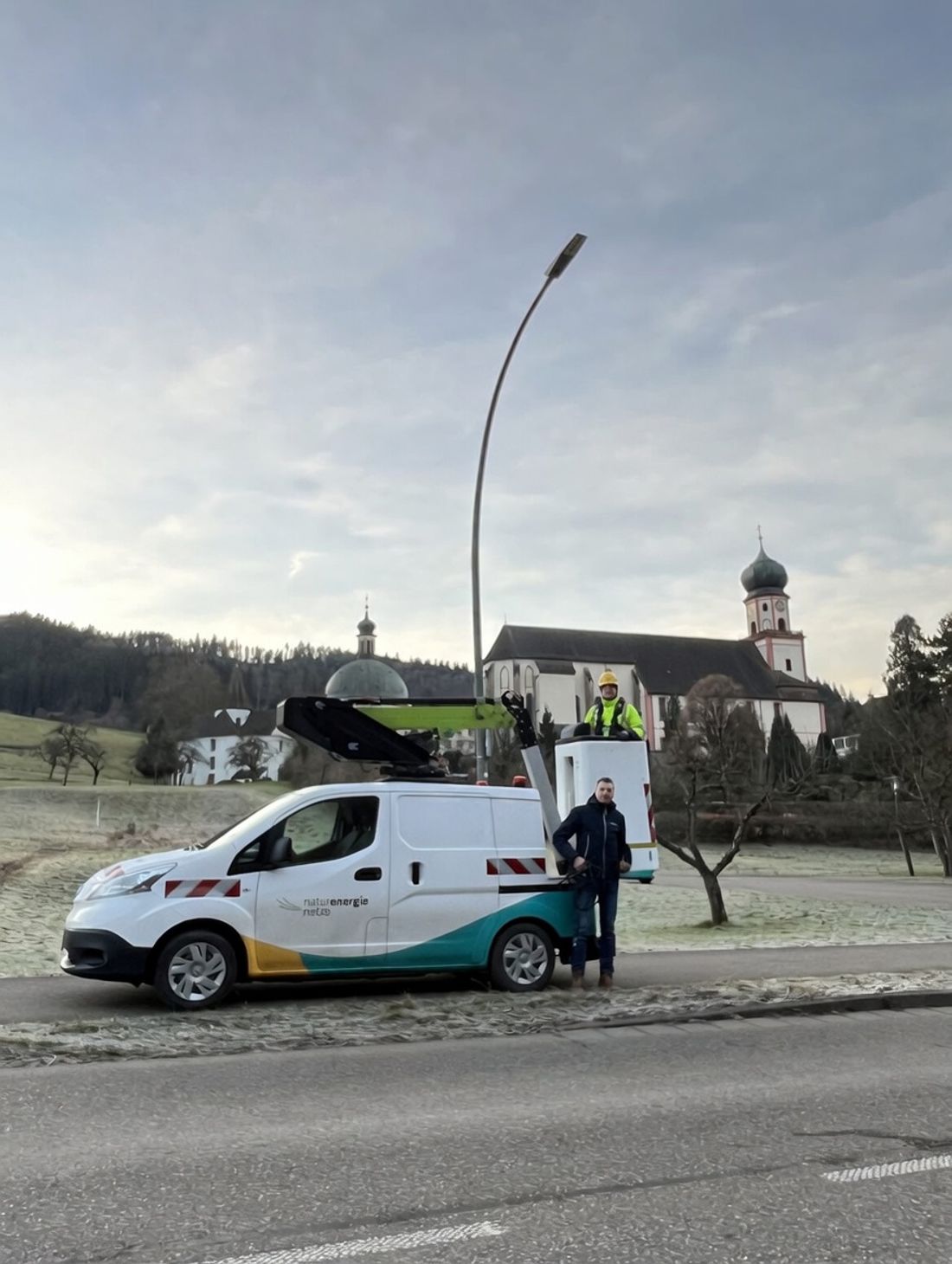
Even in the first user report on the implementation of luxData.easy a year ago, it was clear that naturenergie Netze GmbH had a solid foundation in place. The data on street lighting was recorded in a structured manner, but was primarily based on Excel spreadsheets and paper-based processes. The goal was to digitize these structures and develop them in a way that would make them future-proof and efficient.
Today, it is evident that the switch to luxData.easy has made a decisive difference. Particularly noteworthy is the close collaboration with the development team at sixData GmbH, which enabled adjustments to be implemented quickly and in a practical manner. Requirements arising from day-to-day operations were directly incorporated into the system’s further development, making it perfectly tailored to the company’s needs from the very beginning.
Efficiency Gains in Day-to-Day Operations
“The biggest changes are evident in our day-to-day operations. Annual inspections of lights and poles are now conducted entirely digitally via mobile devices as part of our workforce management system. Paper-based processes are a thing of the past, as all data is recorded directly on-site and is immediately available. It is particularly encouraging that employees quickly got the hang of the system after a brief training session, which ensured a smooth transition,” reports Mr. Jürgen Schelb of naturenergie netzte GmbH.
A key efficiency driver that not only optimizes processes but also actively contributes to the implementation of smart city solutions and to enhancing safety in public spaces is the digital fault reporting via stoerung24. A map integrated into the naturenergie netze GmbH website enables 24/7 reporting of faults—even via smartphone. Responsible municipalities are automatically notified in real time. Manual fault recording is completely eliminated, which significantly speeds up processes and drastically reduces sources of error.
Transparency has also improved significantly. Citizens can see directly on the map whether a problem has already been reported. This prevents duplicate reports and builds trust in the handling of issues. Internally, those responsible benefit from clear, transparent processes and information that is available at all times.
Greater transparency and a better basis for decision-making
Today, luxData.easy is a central component of the digitalization strategy and, particularly in the area of fault reporting, has become indispensable in day-to-day operations.
A key advantage lies in the use of existing data. While this data already existed prior to the system’s introduction, it can now be evaluated and analyzed much more effectively. For example, LED and conventional lights can be easily compared. These analyses create transparency and provide a solid foundation for future strategic decisions.
Maintenance and planning have also become more efficient. Defects are recorded digitally immediately after inspections and forwarded to the responsible municipal officials. This prevents delays, and all parties involved work from a uniform, up-to-date database.
“Looking ahead reveals further potential. Among other things, we plan to integrate a barcode function that allows new lights to be scanned and automatically added to the database along with all technical data. This will further simplify processes and further improve data quality,” explains Mr. Jürgen Schelb.
Overall, it is clear that the implementation of the luxData.easy software goes far beyond mere digitization. It delivers tangible benefits in day-to-day operations, boosts efficiency, and ensures greater transparency, enabling municipalities, cities, and energy providers alike to benefit from it.